
Brita
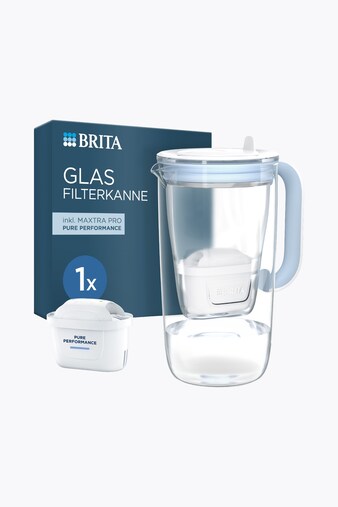
BRITA konvice na vodní filtr skleněná světle modrá (2,5 l) včetně 1 filtru MAXTRA PRO Pure Performance
1 452,00 Kč
Brita
BRITA konvice na vodní filtr skleněná světle modrá (2,5 l) včetně 1 filtru MAXTRA PRO Pure Performance
1 452,00 Kč
Tap water often carries chlorine, limescale and inconsistent mineral levels that dull the aroma of coffee and tea before brewing even begins. A reliable water filter removes these disruptive elements and creates a clean, neutral base that lets the natural flavor of the coffee come through instead of being masked by the water itself. For espresso and fully automatic machines, this matters even more, since hard water residues settle inside boilers, valves and steam wands over time. A Brita water filter addresses this by treating water through activated carbon before it ever reaches the machine, giving each cup a more consistent taste and giving the equipment behind it a longer working life.
:format(webp))
Brita filter cartridges such as Maxtra, Marella and Elemaris are built for different use cases, from compact table filters that treat drinking water in small batches to internal cartridges installed directly inside a coffee machine.
Table filters suit households that want filtered water ready for pour-over, filter coffee or tea just as easily as for an espresso machine.
Internal cartridges, by contrast, sit inside the water tank of the machine and treat every liter used for brewing, which is the more relevant option for anyone running an espresso machine or a fully automatic coffee machine daily.
Understanding this distinction helps in choosing filtration that matches actual brewing habits rather than a system that is oversized or underpowered for the task.
A water filter built on activated carbon reduces chlorine, sediment and unwanted taste carriers, which noticeably improves aroma, but it does not replace descaling once minerals have already built up inside a machine.
Water hardness plays a central role here, since harder tap water places more strain on heating elements and calls for more frequent cartridge changes to keep performance stable.
Compatibility with the specific coffee machine model, the filter's rated capacity in liters and a clear indicator for when a cartridge needs replacing are the details worth checking before buying, since these factors decide how consistently the filter performs between changes.
Swapping the cartridge on schedule, rather than running it far beyond its intended lifespan, is what keeps both taste and machine protection reliable over time.
:format(webp))
For anyone brewing through a fully automatic coffee machine or an espresso machine, pairing the right water filter with a suitable descaler keeps taste and equipment protection in balance instead of relying on one measure alone.
Filtered water also improves results for slower methods like pour-over and filter coffee, where clarity in the water directly shapes the final cup, and works just as well when preparing tea.
Matching a filter to daily brewing volume, machine type and regional water hardness makes it easier to combine filtration with other coffee accessories and build a routine that stays reliable from the first cup to the last. roastmarket brings these options together so the right water filter can be matched to the right machine from the start.
A Brita water filter uses activated carbon to remove targeted substances from tap water. Whether it is a table filter or an internal filter, the basic principle stays the same across all models. This makes it possible to treat many liters of water with a single cartridge before a replacement becomes necessary.
Water carries a large part of the aroma in coffee and forms the foundation for its taste. A Brita water filter changes the composition of the water so that the fine flavor notes of the coffee bean can unfold more clearly. Especially hard, lime-rich tap water becomes noticeably softer as a result and then works well as a base for coffee specialties and espresso.
The filter cartridge of a Brita water filter should be replaced regularly so that clean, well-filtered water remains available at all times. Only a timely replacement ensures consistent filter performance and also protects appliances such as fully automatic coffee machines or electric kettles from excessive limescale buildup.
Brita offers a wide range of water filters in different sizes and formats, so a suitable solution can be found for almost any household. Well-known models include Maxtra, Marella and Elemaris, which have performed well in various tests and integrate easily into everyday routines.
Yes, tea benefits from filtered water just as much as coffee does. By filtering out limescale and other substances, the water becomes softer, allowing the fine aromas of tea to come through more clearly. Anyone who enjoys different tea and coffee specialties can rediscover the original taste of each variety with a Brita water filter.