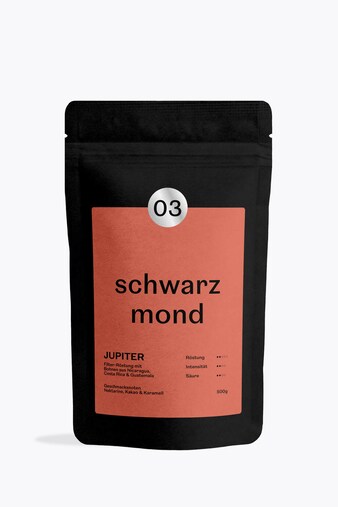


Schwarzmond
Schwarzmond Jupiter 500g
€19.99
€39.98 / 1 kg
Schwarzmond
Schwarzmond Jupiter 500g
€19.99
€39.98 / 1 kg
Schwarzmond
Schwarzmond Jupiter 250g
€10.49
€41.96 / 1 kg
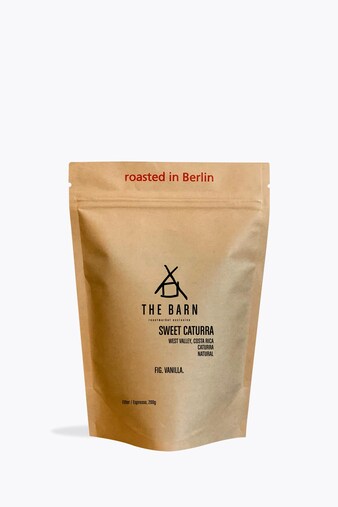


The Barn
The Barn Sweet Caturra 200g
€13.99
€69.95 / 1 kg
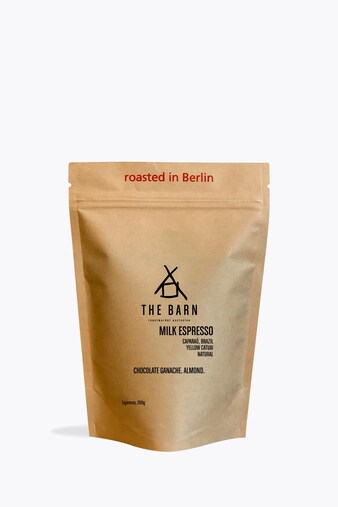


The Barn
The Barn Milk Espresso 200g
€11.49
€57.45 / 1 kg
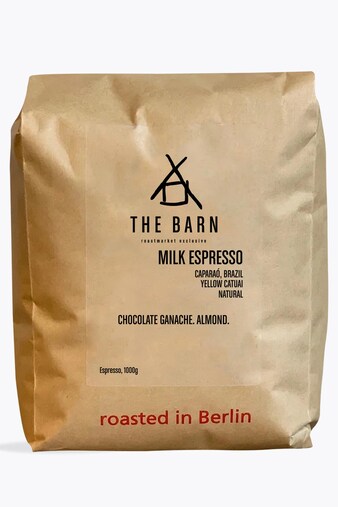
The Barn
The Barn Milk Espresso 1kg
€52.99
€52.99 / 1 kg
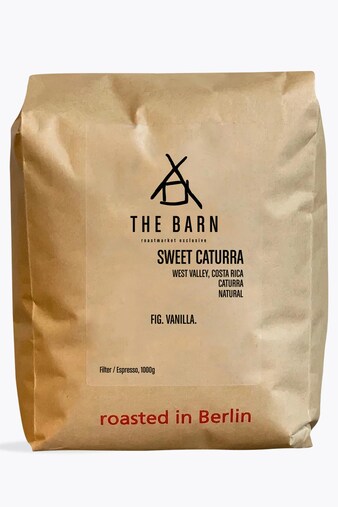
The Barn
The Barn Sweet Caturra 1kg
€64.99
€64.99 / 1 kg
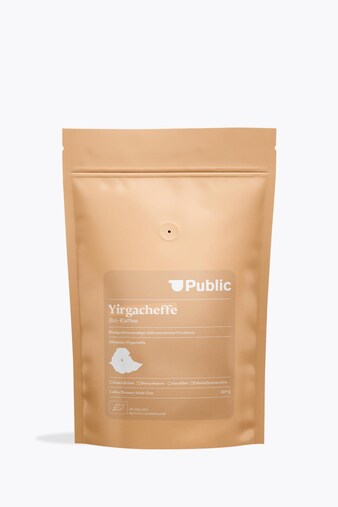

Public Coffee Roasters
Public Coffee Roasters Yirgacheffe Organic 250g
€11.99
€47.96 / 1 kg



Speicherstadt
Speicherstadt Orang Utan Espresso 500g
€27.49
€54.98 / 1 kg
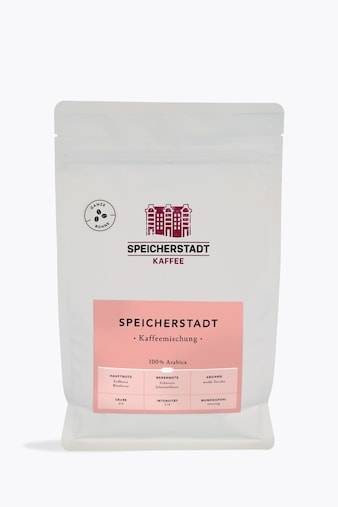


Speicherstadt
Speicherstadt Coffee Blend 500g
€24.49
€48.98 / 1 kg
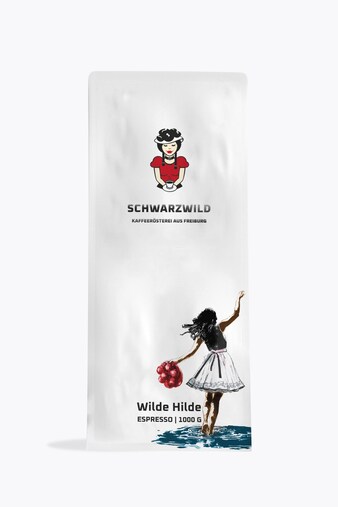

Schwarzwild
Schwarzwild Wilde Hilde 1kg
€32.99
€32.99 / 1 kg
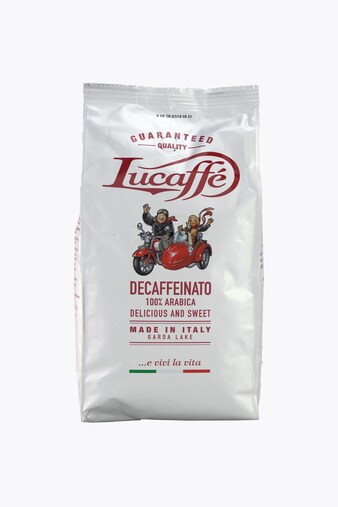

Lucaffé
Lucaffé Decaffeinato 700g
€24.99
€35.70 / 1 kg
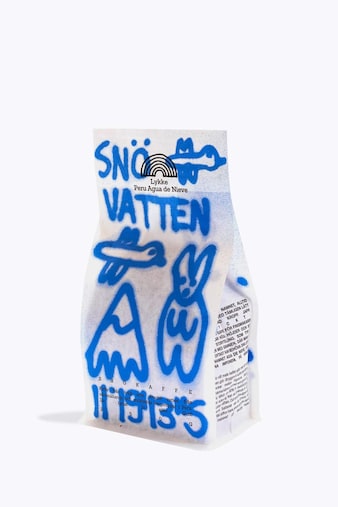

Lykke
Lykke Peru Snövatten 250g
€13.99
€55.96 / 1 kg
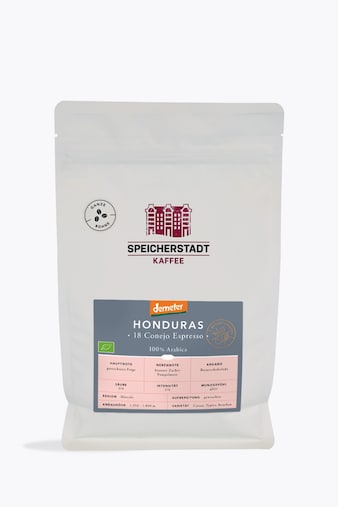


Speicherstadt
Speicherstadt Honduras 18 Conejo Organic Demeter Espresso 500g
€26.49
€52.98 / 1 kg
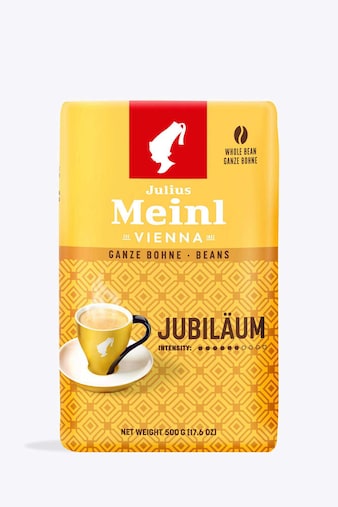

Julius Meinl
Julius Meinl Anniversary 500g
€13.99
€27.98 / 1 kg
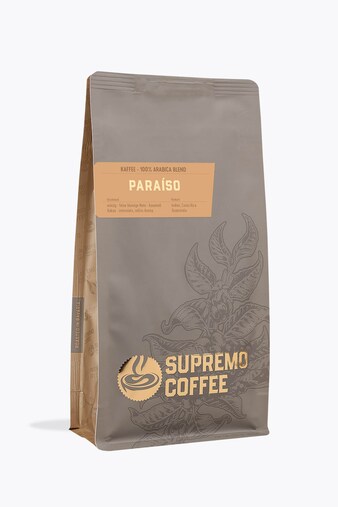


Supremo
Supremo Paraíso 1kg
€39.99
€39.99 / 1 kg
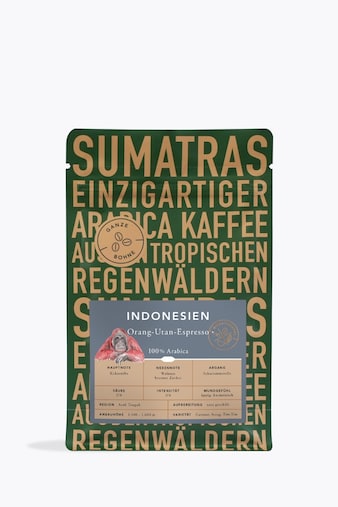
Speicherstadt
Speicherstadt Orang Utan Espresso 250g
€13.99
€55.96 / 1 kg
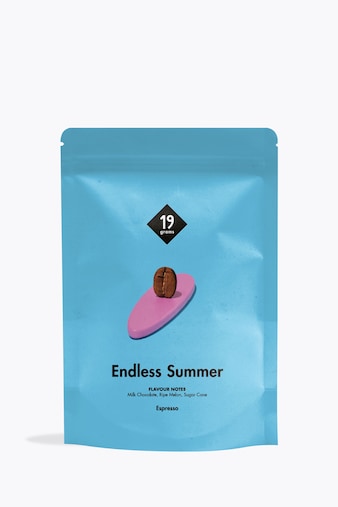


19grams
19grams Endless Summer Classic Espresso 250g
€12.99
€51.96 / 1 kg
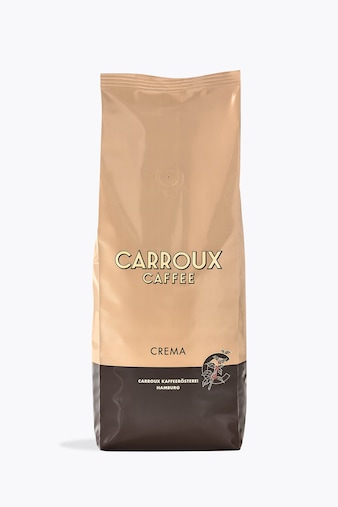

Carroux
Carroux Crema 500g
€17.99
€35.98 / 1 kg
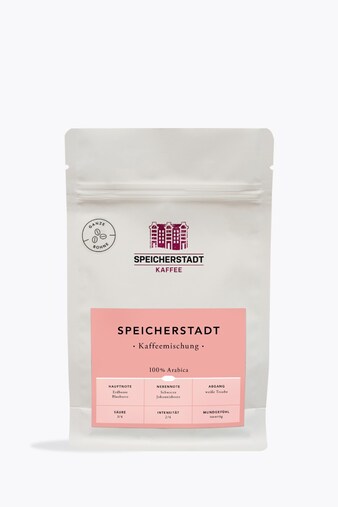
Speicherstadt
Speicherstadt Coffee Blend 250g
€12.49
€49.96 / 1 kg
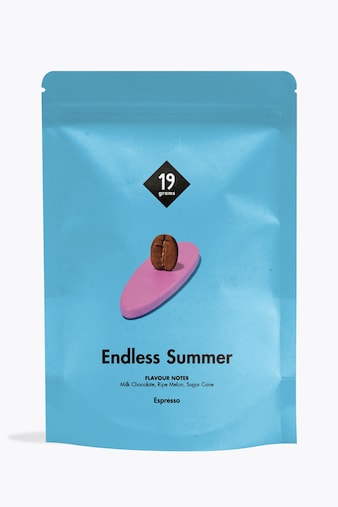
19grams
19grams Endless Summer Classic Espresso 1kg
€43.99
€43.99 / 1 kg
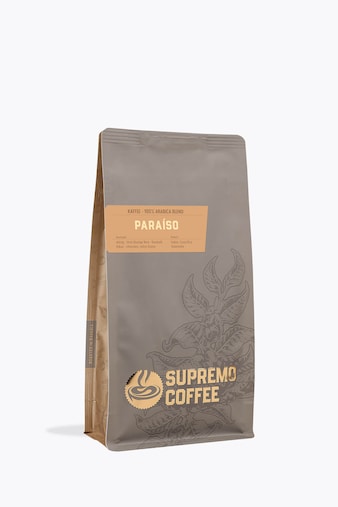
Supremo
Supremo Paraíso 250g
€10.49
€41.96 / 1 kg
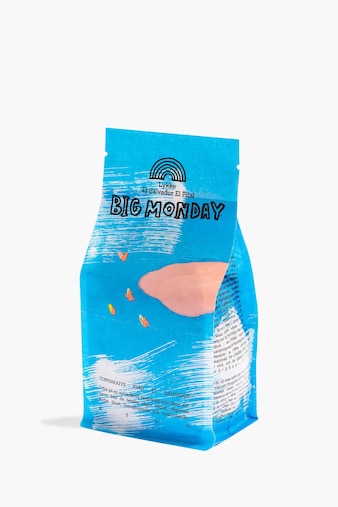

Lykke
Lykke El Salvador Big Monday 250g
€13.99
€55.96 / 1 kg
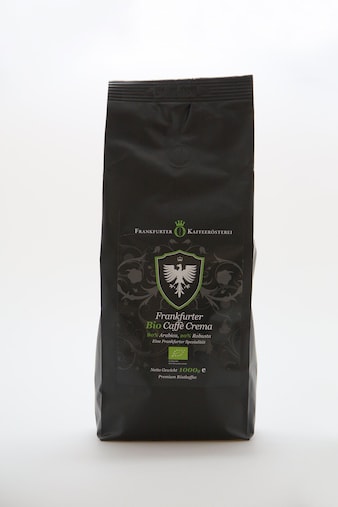

Frankfurter Kaffeerösterei
Frankfurter Kaffeerösterei Organic Caffè Crema 1kg
€28.99
€28.99 / 1 kg
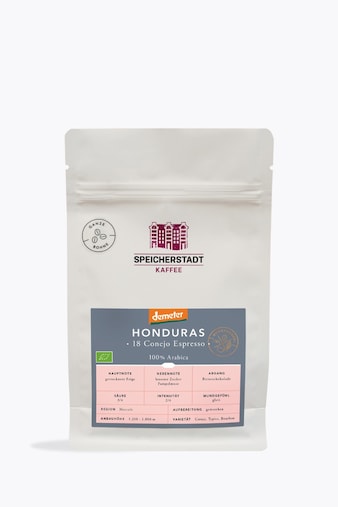
Speicherstadt
Speicherstadt Honduras 18 Conejo Organic Demeter Espresso 250g
€13.49
€53.96 / 1 kg
Coffee is one of the most aromatic drinks in the world, built from more than 800 distinct flavor compounds. A mild cup does not mean a weak one. It comes from beans that were roasted slowly rather than quickly, which lets natural sweetness and depth develop while acidity stays gentle from the first sip to the last. Anyone chasing an especially gentle profile can also turn to espresso. This preparation method carries less acidity and less caffeine than a regular filter brew, which gives it a rounded, full-bodied character despite its intensity.
:format(webp))
Three things decide whether a coffee turns out mild.
Roasting Time
Beans meant for a smooth cup should always come from a slow method such as traditional drum roasting. Quick, high-heat roasting only treats the surface of the bean and leaves the acidity inside largely untouched.
Coffee Beans
A mild blend relies on origins that are naturally low in acidity. Choosing fresh whole beans over coffee that has been sitting on a shelf for weeks also makes a real difference in the cup.
Preparation
Coffee that has already cooled down should never be reheated. Doing so flattens the aroma and can bring out unwanted bitterness instead of the smooth profile a mild roast is meant to deliver.
A slow drum roast is the most reliable way to keep a coffee mild without losing its aromatic depth. The longer roasting time steadily breaks down acidity inside the bean rather than only on its surface. That is a real advantage over the fast, high-heat roasting used by many large-scale roasteries.
Fast roasting only treats the outer layer of the bean, so the acidity inside stays largely intact and comes through clearly once the coffee is brewed. For a genuinely mild cup, roasting time matters just as much as the choice of bean.
:format(webp))
A mild roast starts with the right raw coffee. Origin plays a big role here, since the acidity of a bean varies a great deal depending on where it was grown. Climate, altitude, and soil all leave their mark on the raw bean long before it ever reaches a roaster, which is why two coffees roasted the same way can still taste completely different. Getting this choice right from the start makes every later step, from roasting to brewing, much easier, and it is often the single biggest factor behind a truly mild cup.
Mild coffee has a soft, balanced flavor profile with restrained acidity and bitterness. That comes from choosing the right beans and roasting them gently, usually for a longer time than usual. At roastmarket you can find a wide range of these coffees, each offering a clear aroma despite its gentle character.
Mild coffee is often made from Arabica beans grown in Brazil or India, since these are naturally lower in acidity. A careful, slow roast by experienced roasters reduces the acidity even further and brings out fine nutty or chocolatey notes.
Brewing in a filter coffee maker or a French Press lets the gentle character of a mild coffee really come through. A fully automatic machine can also bring out a clear, harmonious aroma from a mild roast. The right water temperature, a grind size matched to the method, and fresh beans all make the difference.
Caffeine content mainly depends on the bean variety and blend used, not on how mild a coffee tastes. Robusta contains noticeably more caffeine than Arabica. A mild coffee made from 100% Arabica can deliver just as much caffeine as any other Arabica roast, depending on how it is brewed, making it a good fit for anyone who wants a gentle taste alongside a clear effect.
roastmarket helps narrow the decision through roast style, bean type, preparation method, and compatible equipment instead of relying on generic labels alone. That makes it easier to compare coffees for different machines, discover tasting sets for side-by-side testing, and build a setup with the right grinder, accessories, and storage for more reliable espresso preparation.