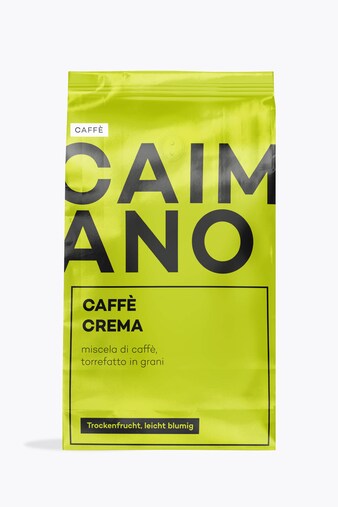


Caffè Caimano
Caffè Caimano Caffè Crema 1kg
€25.99
€25.99 / 1 kg
Caffè Caimano
Caffè Caimano Caffè Crema 1kg
€25.99
€25.99 / 1 kg
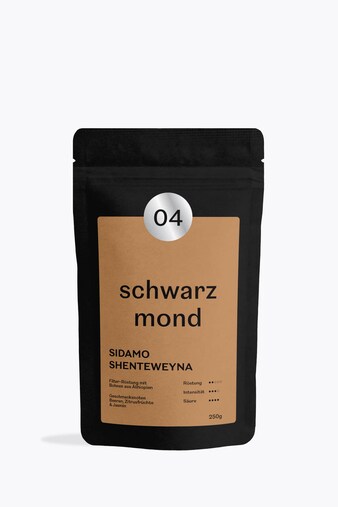

Schwarzmond
Schwarzmond Sidamo Shenteweyna 250g
€10.99
€43.96 / 1 kg
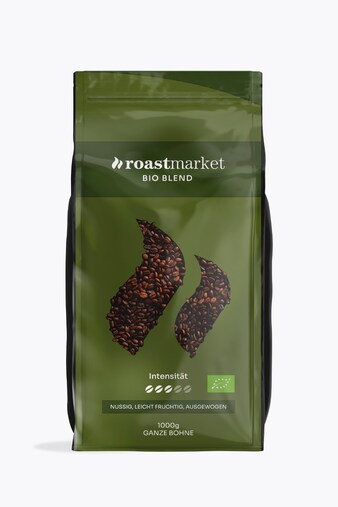

roastmarket Blends
roastmarket Organic Blend 1kg
€24.99
€24.99 / 1 kg
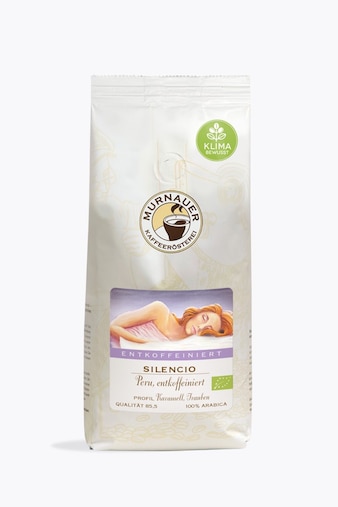


Murnauer
Murnauer Silencio Decaffeinated Organic 1kg
€35.99
€35.99 / 1 kg
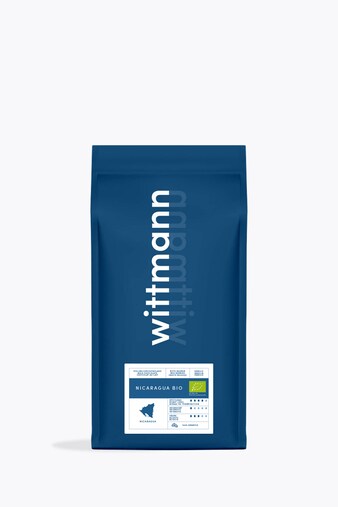


Wittmann Kaffee
Wittmann Kaffee Nicaragua Organic 250g
€10.49
€41.96 / 1 kg
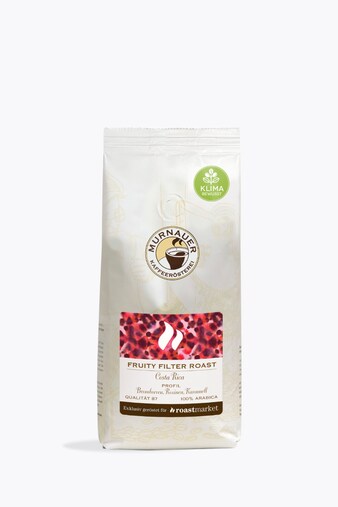


Murnauer
Murnauer Fruity Filter Roast 250g
€10.49
€41.96 / 1 kg
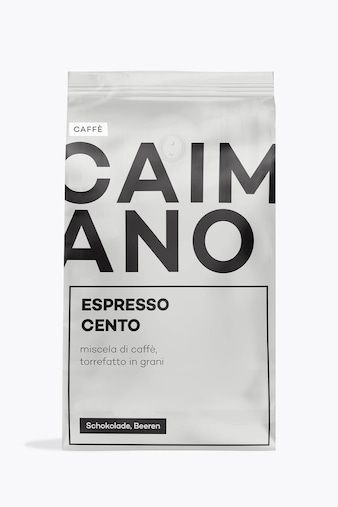


Caffè Caimano
Caffè Caimano Espresso Cento 1kg
€28.99
€28.99 / 1 kg
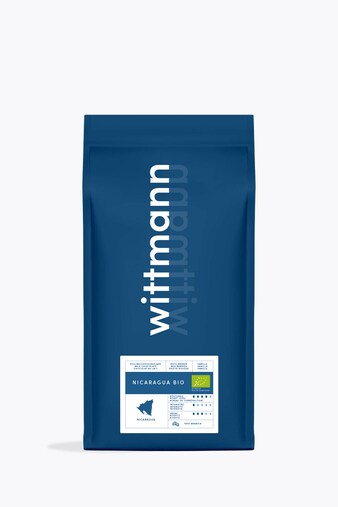
Wittmann Kaffee
Wittmann Kaffee Nicaragua Organic 800g
€29.99
€37.49 / 1 kg
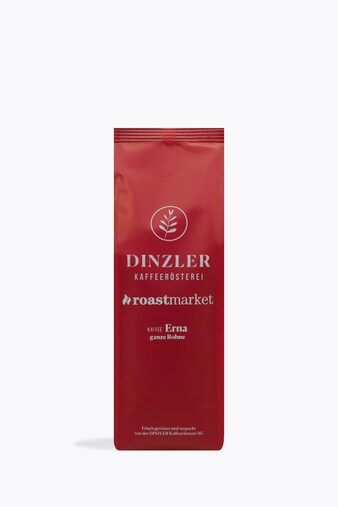


Dinzler
Dinzler Coffee Erna 250g
€10.49
€41.96 / 1 kg
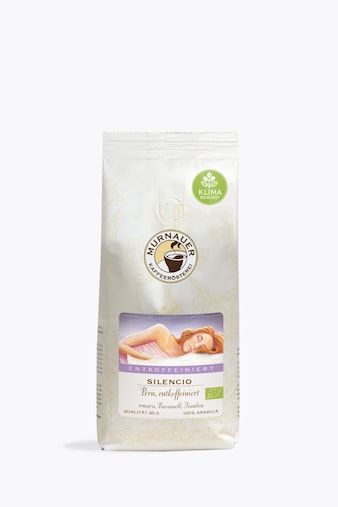
Murnauer
Murnauer Silencio Decaffeinated Organic 250g
€8.99
€35.96 / 1 kg
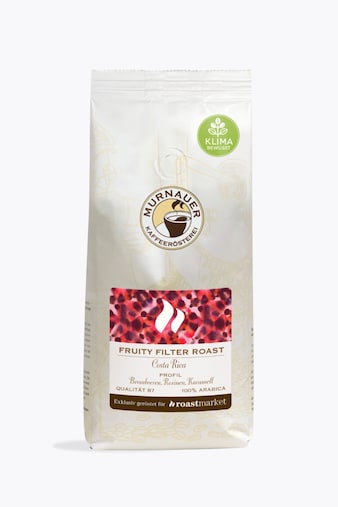
Murnauer
Murnauer Fruity Filter Roast 1kg
€38.99
€38.99 / 1 kg
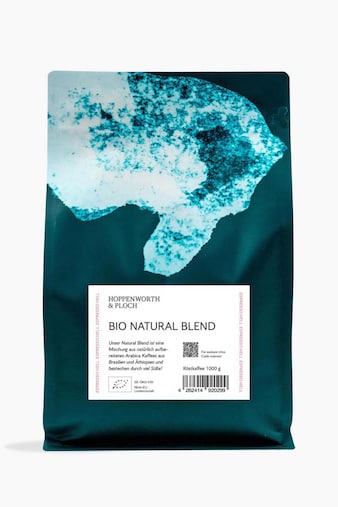


Hoppenworth & Ploch
Hoppenworth & Ploch Natural Blend Organic Espresso 1kg
€39.99
€39.99 / 1 kg
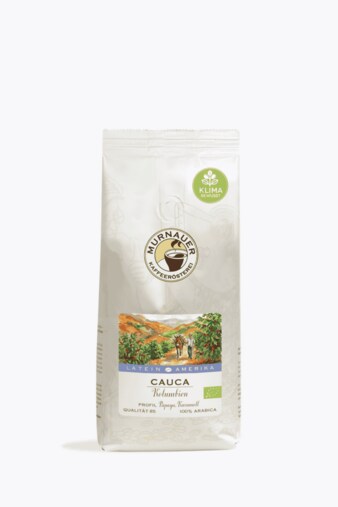

Murnauer
Murnauer Cauca Colombia Organic 250g
€9.99
€39.96 / 1 kg
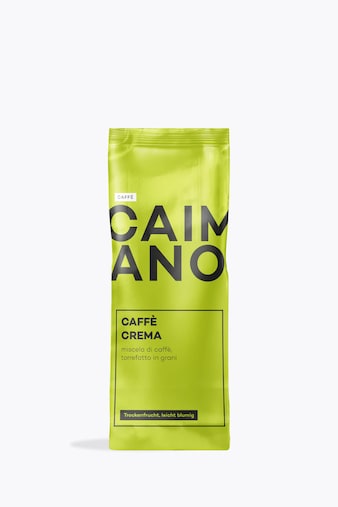
Caffè Caimano
Caffè Caimano Caffè Crema 250g
€8.99
€35.96 / 1 kg
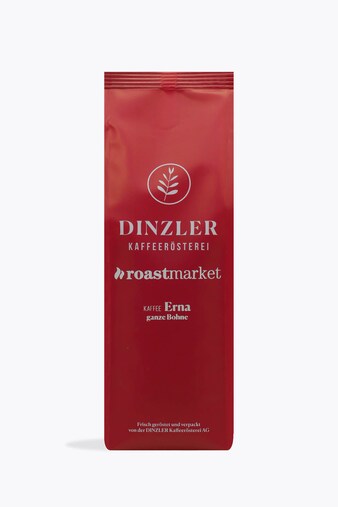
Dinzler
Dinzler Coffee Erna 1kg
€39.99
€39.99 / 1 kg
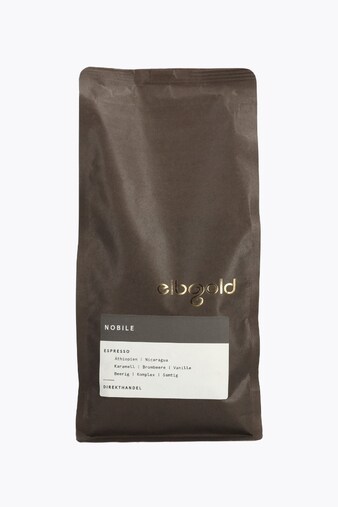


Elbgold
Elbgold Espresso Nobile 1kg
€43.99
€43.99 / 1 kg
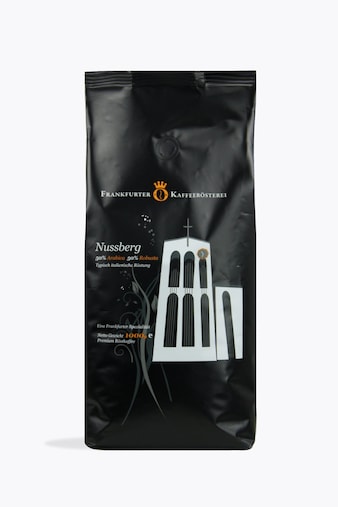

Frankfurter Kaffeerösterei
Frankfurter Kaffeerösterei Nussberg 1kg
€27.49
€27.49 / 1 kg


SUEDHANG
SUEDHANG Muyu 1kg
€44.99
€44.99 / 1 kg
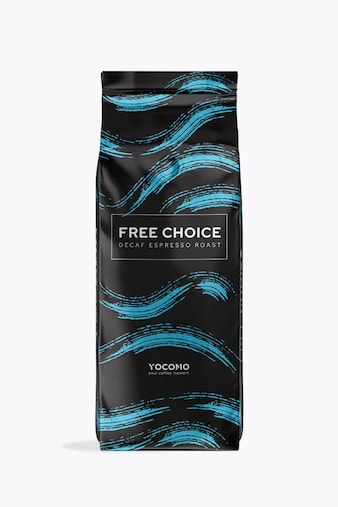

YOCOMO
YOCOMO Free Choice Decaf Espresso Roast 1kg
€29.99
€29.99 / 1 kg



Wildkaffee
Wildkaffee Wilde Milde 1kg
€33.99
€33.99 / 1 kg
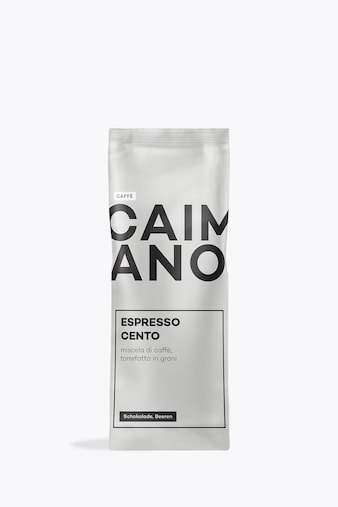
Caffè Caimano
Caffè Caimano Espresso Cento 250g
€9.49
€37.96 / 1 kg
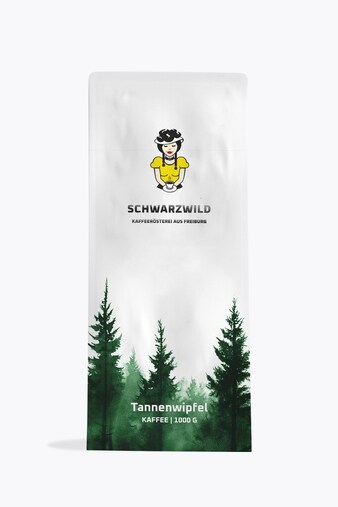

Schwarzwild
Schwarzwild Tannenwipfel 1kg
€32.99
€32.99 / 1 kg
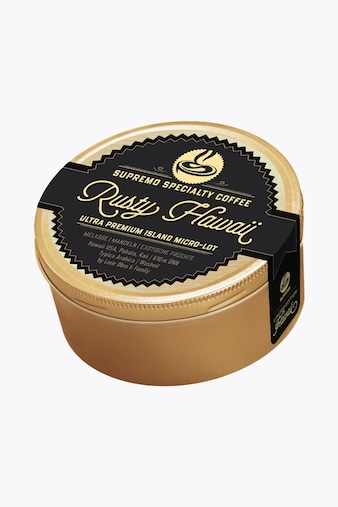

Supremo
Supremo Rusty Hawaii 100g
€17.99
€179.90 / 1 kg
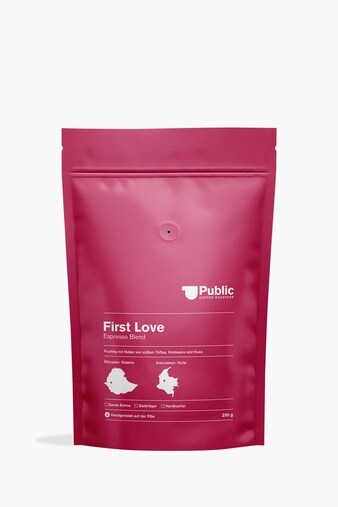


Public Coffee Roasters
Public Coffee Roasters First Love Espresso 250g
€9.99
€39.96 / 1 kg
Fruity coffee covers a wide range of profiles. Some lots are bright and delicate with floral and citrus notes. Others show ripe berry, peach, or tropical depth. Many coffees in this selection are whole beans with a strong Arabica focus. The category includes both single origins and carefully chosen blends. Depending on origin and processing, the cup can feel crisp and tea-like or fuller and juicier. Lighter roast profiles often preserve this character especially well, while selected coffees also work beautifully for espresso or fruit-forward filter coffee.
:format(webp))
Choosing fruity coffee starts with the factors that shape the cup. Origin can guide the profile toward red fruit, citrus, or stone fruit. Processing can sharpen sweetness and lift the aroma. Roast level matters just as much because a lighter approach usually keeps more of the bean’s natural detail intact. Fruity coffees often show their structure especially clearly in pour over brewers, French Press, and other coffee preparation methods. The right grind from quality coffee grinders helps bring clarity and balance into the final cup.
This category makes selection easier with a curated range, clear flavour direction, and direct paths into related styles and brewing contexts. roastmarket connects Fruity & Elegant coffees with neighbouring categories such as chocolate notes, nutty notes, and sweet notes, along with matching equipment from coffee machines, coffee makers, and accessories. That makes this page useful not only for browsing by taste, but also for finding coffees that suit a specific brewing method, routine, and preference.
:format(webp))
Fruity coffees are a strong fit for anyone who prefers a more expressive cup with natural sweetness and layered aroma. Depending on the coffee, that can mean bright citrus clarity, softer stone fruit tones, or deeper berry character. Whole beans are often the best choice when freshness, aroma, and grind flexibility matter most across different brewing routines.
Fruity coffee stands out through aroma notes that recall citrus, berries, stone fruit, or tropical fruit. The profile depends on origin, processing, and roast style. Some coffees taste bright and delicate, while others feel juicier and more layered with more body.
Fruity coffee often shows the most clarity in brewing methods that highlight aroma and structure. Pour over brewers, French Press, and other manual coffee preparation styles can bring out clean fruit notes especially well. Grind size and water flow also shape how clearly those notes come through.
Whole beans are often the better choice for fruity coffee because they keep the aroma more stable until grinding. That matters when delicate berry, citrus, or floral notes should stay clearly defined in the cup. A suitable coffee grinder also makes it easier to match the grind to different brewing methods.
Origin, processing, and roast level shape whether fruity coffee feels crisp, tea-like, juicy, or rounder in the cup. Lighter roast styles often preserve more of the bean’s natural detail, while certain origins and processing methods can bring more sweetness, depth, or a fuller texture.
Fruity coffee is often associated with filter coffee, but that is not the only option. Depending on roast style and structure, fruity coffees can also work very well for espresso. In espresso, fruit notes often appear more concentrated and can bring a lively contrast to the body of the cup.