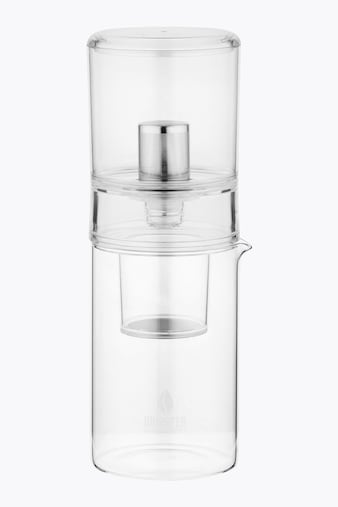

Dripster
Dripster 2-in-1 Cold Brew Coffee Dripper
€58.99
Dripster
Dripster 2-in-1 Cold Brew Coffee Dripper
€58.99
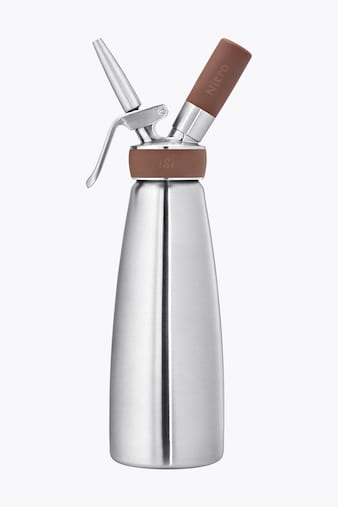

iSi
iSi Nitro Whip Coldbrew Coffee Brewer 1.0l Stainless Steel
€199.99
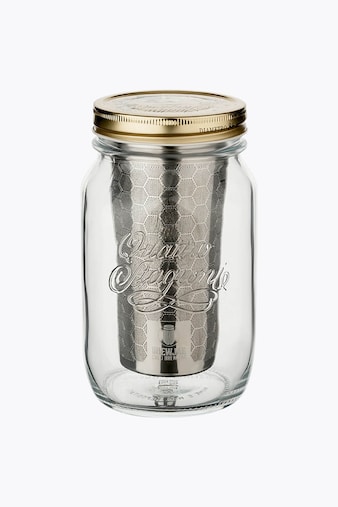

Dripster
Dripster Brewjar Cold Brew Jar 1.0l
€31.99
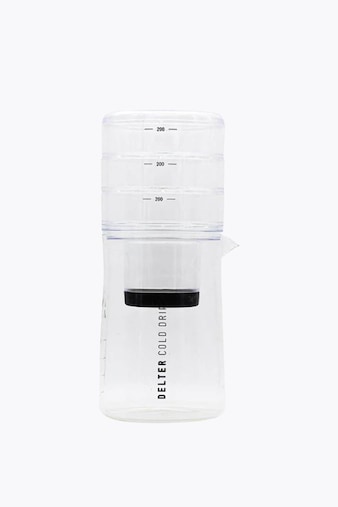

Delter
Delter Cold Drip Coffee Maker
€131.99
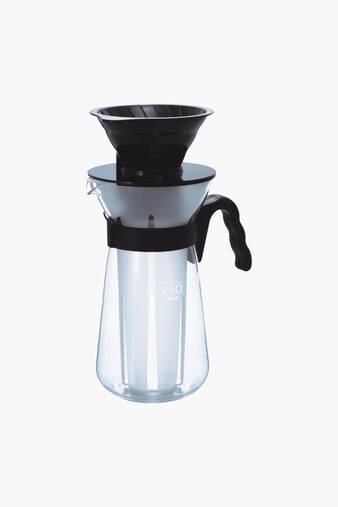

Hario
Hario V60 Ice Coffee Maker Fretta
€26.99
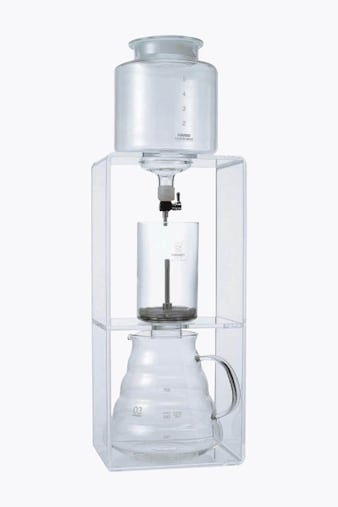

Hario
Hario Water Dripper "Clear" Cold Brew Brewer
€369.99
A cold brew coffee maker solves one simple problem: it lets coffee extract slowly in cold water instead of hot, producing a smoother cup with less acidity and bitterness. Many coffee drinkers switch to cold brewing because hot-brewed coffee left to cool rarely matches the round, balanced taste a proper cold extraction delivers. The right equipment removes the guesswork around steeping time, straining and storage, so you end up with a consistent concentrate or ready-to-drink coffee every time you brew. Instead of rigging up a jar and a kitchen sieve, a dedicated maker keeps coarsely ground coffee separated from the water once extraction is complete, and that detail decides whether your cold brew tastes clean or cloudy.

Cold brew equipment generally works on one of two principles, and understanding them helps you match a maker to your routine. Immersion brewers, including French Press pitchers and dedicated cold brew jars, let grounds steep fully submerged in water for several hours before a built-in filter separates coffee from sediment, producing a bold, full-bodied concentrate that dilutes easily with milk or water. Drip-style makers, closer in spirit to a pour-over brewer, let water pass slowly through the grounds drop by drop, resulting in a clearer, lighter cup with brighter, more delicate notes. A large immersion pitcher makes sense if you prepare one batch a week for iced lattes, while a slow-drip model suits anyone who wants to taste subtle differences between single-origin beans.
Material and filtration decide how much daily effort a cold brew maker demands. Glass and stainless steel vessels resist picking up odors in the fridge, while a built-in mesh or paper filter determines whether you need replacement filters or can simply rinse a reusable screen after each batch. Grind size matters just as much as the device itself, since a coarse, even grind made from ground coffee or freshly milled whole beans prevents clogging and avoids the silty residue that fine particles leave behind. A reliable coffee grinder set to a coarse setting, whether a compact manual grinder for travel or an electric grinder for daily batches, is the accessory that most reliably improves the result. Capacity deserves a closer look too, since a pitcher's total volume is not the same as the amount of drinkable concentrate it yields once grounds and dilution water are accounted for.

Choosing a maker is only the first step toward a dependable cold brew routine, and a few complementary tools make daily preparation easier. A coffee scale keeps your coffee-to-water ratio consistent between batches, so a concentrate that tasted right last week tastes the same today, while an airtight coffee canister keeps your beans fresh between brews. Once your concentrate is ready, serving it over ice in sturdy glasses rounds out the experience, and pairing your maker with coffee suited to cold extraction, such as a chocolatey or fruity roast from our coffee selection, lets you fine-tune sweetness and acidity to your own taste. Explore the full range of coffee makers and accessories at roastmarket to put together a setup that fits your kitchen, your fridge space and how much cold brew you actually drink.
A cold brew coffee maker is a special device for making cold brew coffee. Instead of hot water, it uses cold water in which coarsely ground coffee steeps for several hours. This process extracts the aromas gently and creates a smooth, concentrated coffee drink with fewer acids and bitter compounds.
A cold brew coffee maker works through cold extraction. You add coarsely ground coffee to a filter compartment and fill the container with cold water. The coffee then steeps for twelve to twenty-four hours, usually at room temperature or in the fridge. Once the extraction time is up, you remove the filter, leaving a finished cold brew concentrate that you can enjoy neat or diluted.
A cold brew coffee maker extracts up to seventy percent fewer acids and bitter compounds from the coffee. The result is a mild, smooth coffee concentrate. Once finished, cold brew keeps in the fridge for several days without losing its aroma, so you always have a refreshing iced coffee ready in moments.
Freshly roasted whole beans with a coarse grind size work best for a cold brew maker. Light to medium roasts often bring out fruity and floral notes, while dark roasts create a chocolatey, full bodied aroma. At roastmarket you will find a wide range of coffees that suit your cold brew maker perfectly.
The ideal steeping time in a cold brew maker is between twelve and twenty-four hours. A shorter time creates a lighter drink, while a longer extraction results in a more intense, stronger concentrate. The exact duration depends on the coffee, the grind size and your personal taste, so feel free to experiment until you find your perfect result.
You can find the right cold brew coffee maker by paying attention to size and material. Glass or plastic models with a built-in filter are a great choice for beginners. If you plan to brew larger batches regularly, a system with a bigger capacity and a tap is more practical. Discover the cold brew coffee maker in the roastmarket assortment that fits your needs.